Reasons Why Artworks Are Exhibited

This article will discuss reasons why artworks are exhibited, whose intention they are promoting, and how it is done.
Exhibitions are exhibitions of artworks. These exhibitions are displayed in open spaces such as streets, houses, universities, government offices, schools and galleries.
These exhibitions may be art exhibitions organised by non-profit organisations, or government organisations, which are hosted as part of social activities or to promote a cause.
Exhibitions are also organised by individuals or private parties. These artworks are kept in open space for public viewing and are also available for sale.
When art works are exhibited, they are put on display on walls, or even in interiors or at tables or pedestals. In one of the exhibits, flowers are offered to the viewers.
However, some of the exhibits are more exquisite, in the form of chandeliers, fire pieces, or other eye-catching artworks.
The primary purpose of exhibitions is to promote the artist's creative and artistic work.
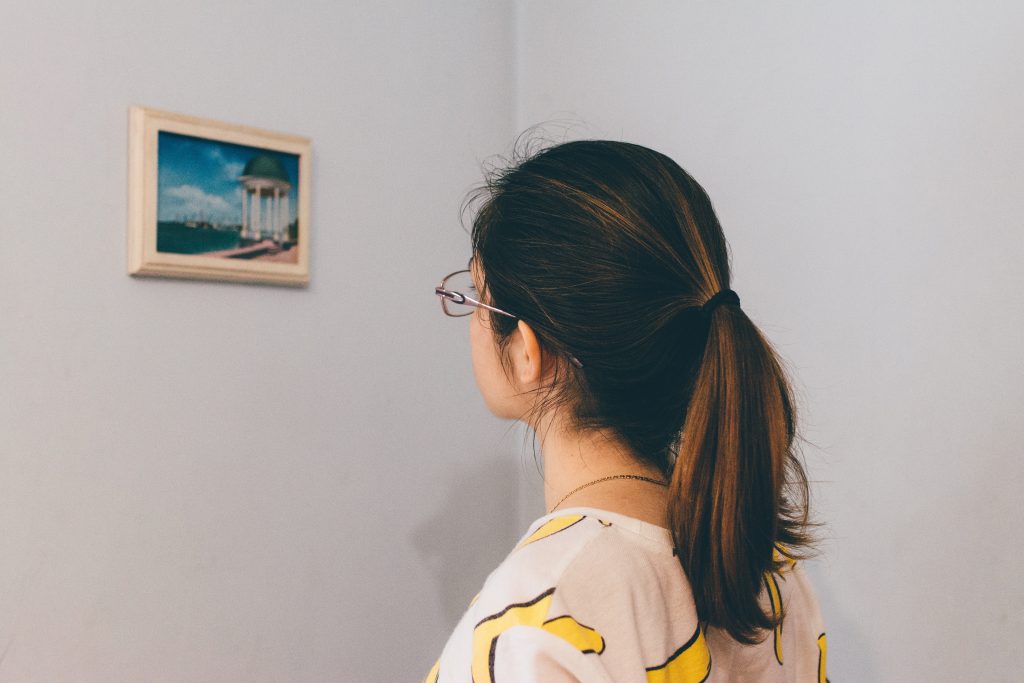
Art Exhibition - what is it?
An exhibition or art exhibition is a gathering or display of artwork in an accessible area, such as an exhibition hall or gallery space. The organisers of the exhibition typically plan for two phases in their preparations.
The first phase
An exhibition or art exhibition is usually planned in advance. As an art work can be of any medium, artists may work on an idea for months or even years before finally deciding to exhibit their work.
The whole exhibition or art works are then presented at the exhibition.
It is important to keep in mind that the purpose of an art exhibition or art work is to display the artwork.
So, the organisers should ensure that they would exhibit only the best art works or the exhibition should be the showcase of the art work in the art world.
The second phase
The second phase is when the public can visit and view the art work. These exhibitions are usually organized by professionals in the field of art such as artists, writers, gallery owners, buyers, administrators, and managers of art organisations.
At the end of the second phase, the exhibition is usually closed to visitors to give the artists a chance to conserve their work.
However, the organisers usually upload the art work on the website and sometimes also have brochures or even postcards printed with the artwork.
The organisers should also make sure that all the exhibitors have signed a statement acknowledging that they have the work and have given their consent for the art work to be showcased.
There are also a number of prerequisites that the organisers of an art exhibition need to meet in order to make sure that the artwork would be able to be viewed by the public.
These include the number of rooms for public viewing and for the exhibition. Also, the number of visitor should be within the safe limits as per the building code.
Other items necessary for an exhibition:
The organisers also need to ensure that they have enough amenities to enable visitors to visit the exhibition. These include water for drinking, lights, and first aid equipment.
Also, the venue must have good physical accessibility, which will enable visitors to view the art pieces.
Most importantly, they should also ensure that they have adequate power backup as the art exhibition has to run for a minimum of a couple of days.
The proper protection of the art pieces from sunlight should also be considered. Sunlight may cause certain problems for the artwork and the organisers should ensure that adequate shades or lighting are provided for the art work.
The future of art exhibitions:
Art exhibitions are certainly making a big comeback. This is due to the rise in the popularity of art as an industry and the booming demand for works by leading artists. It is also a growing industry that is valued at about USD 2.2 Billion.
So, it is not surprising that art galleries and museums are making efforts to set up exhibitions and for their public exhibition spaces. The popular artists are also moving into art exhibition making.
For example, in April 2016, the Great Britain was host to the Royal Academy of Art Summer Exhibition in London.
Practical tips for setting up an art exhibition:
As an art curator, one of the most important decisions that one needs to make is the size and design of the exhibition. The venue and the size of the exhibition should be thought of when setting up the exhibition.
It is advisable that the venue should be large enough for visitors to reach the venue.
After the venue is decided, the organisers can decide on the number of artists who will participate in the exhibition. It is usually advisable that between ten and 20 artists are exhibited at an art exhibition.
However, the organisers should also consider the financial status of the artists.
If the artists participating in the exhibition are unknown, it is recommended that the organisers display their art work in the form of sketches. This helps the audience to explore the artist's technique and to decide whether to buy or not.
However, if the artists are well known then, it is recommended that the organisers should create a reception for them.
Once the artists are selected, it is important that they are given adequate publicity and the details of the exhibition should be publicised. This will enable people to visit the exhibition and to get the works of art.

How do people submit their work for art exhibition?
If you are planning on submitting an art work for an art exhibition, you can send your idea for an art work to your nearest art gallery, art magazine, or to a friend.
You can also visit your favourite artist's studio, or ask a friend or family member to submit your artwork for you.
If your artwork is accepted, the organisers of the exhibition will contact you to give you some information regarding the submission and the display of your artwork.


